When comparing internet options, speed often gets the most attention—but reliability is just as important.
And this is where fiber internet stands out.
How Fiber and Cable Differ
Fiber Internet
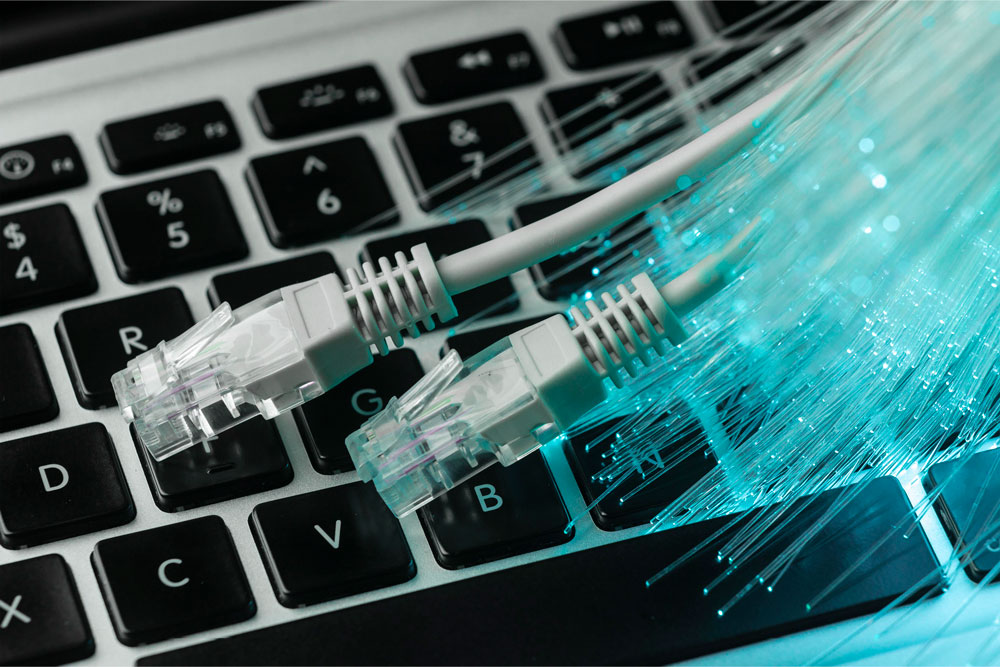
Fiber uses light signals transmitted through glass cables, delivering data quickly and efficiently with minimal interference.
Cable Internet
Cable uses coaxial cables originally designed for television. These networks are often shared among multiple households.
Why Fiber Is More Reliable
1. Dedicated Connection
Fiber connections are typically not shared in the same way as cable networks. This means your speeds remain consistent—even during peak hours.
2. Less Congestion
Cable internet slows down when many users are online at once. Fiber maintains performance because it handles bandwidth more efficiently.
3. Resistant to Interference
Fiber cables are not affected by:
- Electrical interference
- Weather conditions
- Signal degradation over distance
Cable connections are more vulnerable to these issues.
4. Lower Latency
Fiber offers faster response times, which improves:
- Video calls
- Online gaming
- Real-time applications
Real-World Impact
With fiber, you’re less likely to experience:
- Buffering during streaming
- Dropped video calls
- Slow uploads
- Evening slowdowns
This makes a noticeable difference for households with multiple devices and heavy internet usage.
The Bottom Line
While cable internet can be sufficient for basic use, fiber internet delivers a more stable, consistent experience—especially as internet demands continue to grow.
If reliability matters to your home or work setup, fiber is the clear choice.