When comparing internet options for your home, the choice often comes down to fiber internet or cable internet. While both can deliver fast speeds, the experience they provide is very different once you start using them day to day.
Understanding how fiber and cable differ helps you choose an option that will support streaming, work from home, gaming, and future internet needs without constant frustration.
How fiber and cable internet are delivered
Cable internet uses coaxial cables that were originally designed for television service. These cables are shared across neighborhoods, meaning many homes rely on the same network at the same time.
Fiber internet uses fiber optic cables that transmit data as light. These connections are typically dedicated or far less shared, which allows for higher performance and more consistent speeds.
This difference in infrastructure explains many of the performance gaps between fiber and cable.
Download speed vs upload speed
Cable internet plans often advertise high download speeds, but upload speeds are usually much lower.
Fiber internet typically offers:
- Much faster upload speeds
- Better performance for video calls
- Faster cloud backups
- Smoother live streaming
Upload speed matters more than ever, especially for households that rely on video conferencing, remote work, or smart home devices.
Reliability during peak hours
One of the most noticeable differences between fiber and cable appears in the evening.
Cable networks slow down when many people are streaming or gaming at the same time. This is known as network congestion.
Fiber networks are far less affected by congestion, which helps maintain consistent speeds throughout the day.
Performance for modern households
Most homes today use the internet for more than browsing and email.
Fiber internet handles:
- Multiple 4K streams
- Video calls happening at the same time
- Gaming with low latency
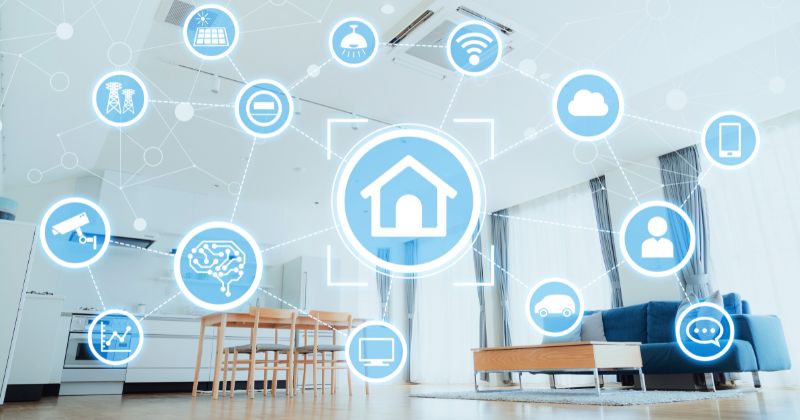
- Smart home systems running continuously
Cable internet may work for lighter use, but households often outgrow it as more devices are added.
Long-term value and future readiness
Fiber infrastructure is designed to scale. As internet needs increase, fiber networks can support higher speeds without major changes.
Cable networks face physical limitations that make upgrades more difficult.
For homeowners thinking long term, fiber is generally the more future-ready option.
Final takeaway
For most homes, fiber internet offers better reliability, faster uploads, and more consistent performance than cable. If fiber is available in your area, it is usually the better choice for modern internet use.
FAQs
Is fiber internet always faster than cable?
Fiber internet is almost always faster and more consistent, especially for upload speeds and peak-hour performance.
Why does cable internet slow down at night?
Cable networks are shared across neighborhoods, so performance drops when many users are online.
Is fiber worth switching to if cable works fine?
Many households notice better reliability and smoother performance after switching to fiber, even if cable seemed acceptable before.