Internet needs in 2026 are very different from just a few years ago. Streaming in high resolution, working from home, cloud backups, smart devices, and gaming all demand more from home internet connections.
For most households today, anything below 500 Mbps is no longer a good long-term option.
This guide explains what internet speeds make sense in 2026, from 500 Mbps for everyday connected households to 1 Gig for heavier usage and multi-gig options for homes with more demanding needs.
Why 500 Mbps is the new baseline
In the past, households could get by with much lower speeds. That is no longer the case.
A 500 Mbps connection provides:
- Smooth streaming on multiple TVs
- Reliable video calls for work and school
- Faster uploads for cloud storage and file sharing
- Better performance when multiple devices are online
With more devices connected at once, 500 Mbps has become the practical starting point for modern homes.
When 1 Gig internet makes sense
A 1 Gig internet plan is ideal for households that rely heavily on their internet connection throughout the day.
You may benefit from 1 Gig internet if you have:
- Multiple people working from home
- Frequent video conferencing
- Heavy streaming across several rooms
- Online gaming combined with streaming
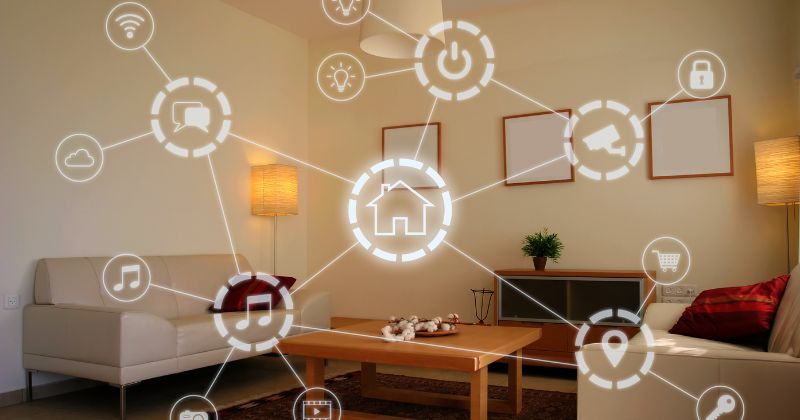
- Smart home systems running continuously
1 Gig internet offers more headroom, which means your connection stays fast even during peak usage times.
Who Should Consider 3 Gig or 5 Gig Internet?
For households with particularly demanding internet needs, multi-gig fiber internet provides significantly more capacity.
3 Gig internet may be a good fit for:
- Large households with many connected devices
- Multiple remote workers or gamers
- Content creators who regularly transfer large files
- Homes with extensive smart technology
5 Gig internet offers even greater capacity for power users, professional content creators, and households with exceptionally heavy simultaneous internet usage.
While most households won’t need multi-gig speeds for everyday activities, these plans can be valuable when multiple users regularly perform bandwidth-intensive tasks.
Keep in mind that individual devices and home networking equipment must support multi-gig speeds to take full advantage of the connection.
For a closer comparison of LiveOak Fiber’s current plans, read How to Choose the Right Internet Speed Tier.
Upload speed matters more than ever
Download speed often gets the most attention, but upload speed plays a major role in daily performance.
Higher upload speeds improve:
- Video calls
- Cloud backups
- Live streaming
- Remote collaboration
Fiber internet can deliver strong upload performance alongside fast downloads, making it a valuable option for households that rely on video conferencing, cloud storage, content creation, and other upload-heavy activities.
Choosing speed based on reliability, not just numbers
The fastest internet plan only delivers value if the connection is reliable.
A dependable 500 Mbps connection may provide a better everyday experience than a faster connection that frequently slows down or disconnects. Whether you choose 500 Mbps, 1 Gig, 3 Gig, or 5 Gig, consistent performance, low latency, and reliable infrastructure are just as important as advertised speed.
When comparing plans, look for:
- Consistent performance
- Low latency
- No data caps
- Reliable infrastructure
Final Takeaway
For many modern households, 500 Mbps provides a strong starting point for streaming, gaming, remote work, and connected devices. Busy families and households with multiple heavy internet users may benefit from the additional capacity of 1 Gig.
For technology-heavy homes, content creators, and power users, 3 Gig and 5 Gig fiber internet offer even more capacity for demanding activities and future growth.
Ultimately, the best internet speed depends on how many people and devices use your connection, what they’re doing online, and how often those activities happen simultaneously.
Choosing the right speed today helps ensure your home internet keeps up with how you live, work, and stream.