
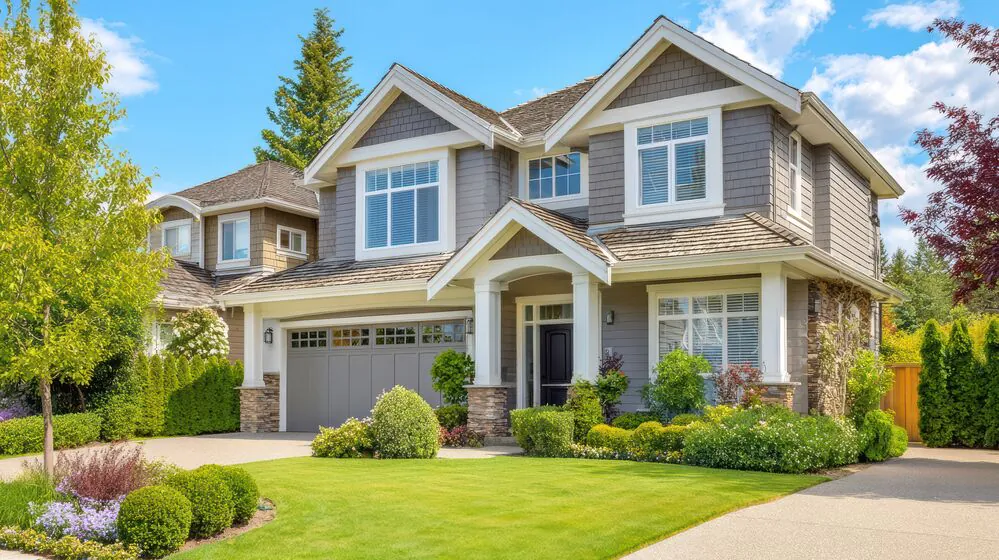
When people think about what makes a home valuable, they often picture its location, size, layout, and condition.
But there’s another feature that can influence how buyers evaluate a property: the quality of its internet connection.
From remote work and streaming to security systems and smart home devices, reliable internet has become part of everyday life.
For some buyers, internet availability is no longer a minor consideration. It’s something they want to confirm before making an offer.
Internet quality can affect a home’s appeal to prospective buyers, particularly when reliable high-speed connectivity is important to their lifestyle or work. However, having fiber internet does not automatically increase a home’s appraised value or guarantee a higher selling price.
Here’s how internet connectivity fits into the homebuying process and what homeowners should know.
Does High-Speed Internet Increase Home Value?
The relationship between internet availability and home value is not as simple as adding a new appliance or remodeling a kitchen.
Home prices depend on location, market conditions, comparable sales, property condition, and many other factors.
Internet connectivity is one feature buyers may consider within that larger picture.
For example, a buyer who works remotely may prefer a home with established fiber internet availability over a similar property with limited broadband options.
That preference could influence which home the buyer chooses.
However, it does not mean the fiber-connected home will necessarily sell for a specific amount more.
It’s more accurate to think of high-quality internet as a feature that can improve a home’s marketability and suitability for certain buyers.
Why Homebuyers Care About Internet Quality
A household’s internet connection supports far more than occasional browsing.
Today’s buyers may need dependable connectivity for:
- Working from home
- Video conferences
- Streaming television
- Online gaming
- Virtual learning
- Smart home technology
- Home security cameras
- Cloud storage
- Digital content creation
These activities can happen simultaneously, especially in households with multiple people.
A home with limited internet options may create concerns for buyers who depend on consistent connectivity.
1. Remote Work Makes Reliable Internet More Important
For people who work from home, internet reliability can affect productivity.
A remote worker may spend hours participating in video meetings, accessing cloud applications, sharing files, and collaborating with coworkers.
Frequent outages or inconsistent performance can make those tasks frustrating.
When evaluating a home, remote workers may want to know:
- Which internet providers serve the address?
- Is fiber internet available?
- What upload and download speeds are offered?
- Is there a suitable space for a wired home office?
- Can the home network support multiple workers?
Reliable connectivity can make a home more practical for people who work remotely.
2. Fiber Internet Can Be an Attractive Feature
Fiber internet uses fiber optic cables to transmit data through light signals.
Fiber networks can support high bandwidth capacity, low latency, and strong upload and download performance.
These capabilities make fiber attractive to households with demanding internet needs.
For prospective buyers, established fiber availability can also eliminate uncertainty about whether the property can support their preferred internet service.
But buyers should still verify the exact plans and speeds available at the address.
A neighborhood may have fiber infrastructure without every property being ready for activation.
3. Smart Home Technology Depends on Connectivity
Modern homes may include a growing number of connected systems.
Examples include:
- Video doorbells
- Security cameras
- Smart thermostats
- Smart locks
- Lighting controls
- Connected appliances
- Voice assistants
- Home automation systems
Many of these devices use relatively little bandwidth individually.
However, a home with numerous connected devices benefits from reliable network coverage and sufficient capacity.
Some systems also rely on cloud services, making upload performance important.
A strong internet connection helps homeowners take advantage of connected technology without constant performance concerns.
4. Internet Availability Can Influence a Buyer’s Shortlist
Imagine comparing two similar homes.
Both have the bedrooms, layout, and neighborhood amenities a buyer wants.
One has established fiber internet service.
The other has limited broadband options, with no clear timeline for additional infrastructure.
For a buyer who works remotely or frequently uses connected technology, that difference could matter.
Internet quality may not be the deciding factor for every buyer, but it can influence whether a property remains under consideration.
This is especially relevant in areas where broadband availability varies significantly between neighborhoods.
5. Upload Speeds Matter, Too
Homebuyers often ask how fast the internet is without specifying whether they mean download or upload speed.
Both are important.
Download speed supports activities such as streaming video and receiving files.
Upload speed supports video calls, cloud backups, file sharing, and connected security cameras.
Some internet plans offer much lower upload speeds than download speeds.
Buyers who regularly work from home or create digital content should compare both.
For a deeper explanation, read Internet Upload Speeds Explained (And Why They Matter Now).
6. Reliability May Matter More Than Maximum Speed
A very fast connection is less useful if it frequently disconnects.
For many households, consistent performance is more valuable than purchasing the highest available speed tier.
Reliable internet supports:
- Uninterrupted video meetings
- Consistent streaming
- Responsive gaming
- Connected home security
- Everyday communication
When comparing homes, buyers should consider both advertised speeds and the quality of available service.
No internet provider can guarantee that outages will never occur.
However, network technology, infrastructure, maintenance, and service support all contribute to the experience.
Should Sellers Mention Fiber Internet in a Home Listing?
Yes, when the information is accurate and relevant.
If fiber internet is available at the property, it can be useful to include that detail in the listing.
For example:
“Fiber internet available at the property. Buyers should confirm current providers, service plans, and installation requirements.”
Sellers may also provide information about:
- Existing wired Ethernet connections
- Dedicated home office networking
- Network equipment locations
- Whole-home Wi-Fi infrastructure
- Available internet providers
Avoid promising particular speeds unless the provider confirms the service available at that address.
Also avoid claiming that fiber internet guarantees a higher home value.
Clear information helps buyers evaluate whether the property fits their needs.
Can Improving Home Wi-Fi Increase Home Value?
Upgrading your router or adding mesh Wi-Fi equipment can improve the experience of living in your home.
But a better router should not be confused with a permanent infrastructure improvement.
Wi-Fi equipment may be replaced or removed when the property changes hands.
Permanent features, such as structured Ethernet wiring, accessible network connections, and suitable equipment locations, may be more useful to future owners.
Even then, a specific increase in resale value should not be assumed.
Homeowners should focus on improvements that provide practical benefits while they live in the property.
What Internet Speed Should a Home Have?
The right internet speed depends on the household.
For many families, 500 Mbps provides substantial capacity for everyday streaming, remote work, gaming, and connected devices.
A 1 Gig connection can offer additional room for simultaneous activities.
Multi-gig options such as 3 Gig and 5 Gig may appeal to households with especially demanding internet needs.
However, most individual devices and applications do not require multi-gig speeds.
Buyers should also consider upload performance, reliability, and whether the home’s networking equipment can support the selected plan.
For additional guidance, see How Fast Should My Internet Be in 2026?.
How to Check Internet Availability Before Buying a Home
Buyers should verify internet service before closing on a property, especially when connectivity is essential for work or daily life.
Step 1: Identify Available Providers
Search for providers serving the property’s city or neighborhood.
Step 2: Check the Exact Address
Do not assume that a provider serving the neighborhood also serves the specific home.
Step 3: Compare Internet Technologies
Determine whether the available connections use fiber, cable, fixed wireless, DSL, or satellite.
Step 4: Review Upload and Download Speeds
Consider the household’s actual activities rather than comparing download speeds alone.
Step 5: Ask About Installation
Confirm whether service is ready for activation or additional work is required.
Step 6: Consider Home Network Coverage
A large or multi-story home may require additional Wi-Fi equipment even when the incoming internet connection is fast.
These steps can help buyers avoid unexpected connectivity limitations after moving in.
What If Fiber Internet Isn’t Available?
Fiber internet availability continues to vary by location.
If fiber isn’t currently offered at a property, buyers can ask providers whether expansion is planned.
However, future service should not be assumed unless the provider confirms it.
In the meantime, compare available alternatives based on reliability, upload and download performance, pricing, and suitability for the household.
A home without fiber may still have internet service that meets the buyer’s needs.
The important thing is to make that determination before purchasing.
Final Thoughts
Internet quality can influence how attractive and practical a home is for prospective buyers.
Reliable high-speed connectivity supports remote work, smart home systems, entertainment, and everyday communication.
Fiber internet may be a desirable feature, particularly for households that depend heavily on connectivity.
But internet availability is only one part of a home’s overall value, and it should not be treated as a guaranteed increase in selling price.
For homeowners, the best approach is to prioritize reliable service and a well-designed home network.
For buyers, verifying internet availability before making a purchase can help prevent surprises and ensure the home supports their needs.
Related Articles
- How Fast Should My Internet Be in 2026?
- Internet Upload Speeds Explained
- Why Your Internet Is Slow (Even When You Pay for Fast Speeds)
Frequently Asked Questions
Does fiber internet increase home value?
Fiber internet may improve a home’s appeal to buyers who prioritize connectivity, but it does not guarantee a higher selling price or appraised value.
Do homebuyers care about internet speed?
Many buyers consider internet speed and reliability, especially if they work remotely, stream frequently, or use connected home technology.
Should I check internet availability before buying a house?
Yes. Verify service at the exact address and compare available providers, technologies, speeds, and installation requirements.
Is 1 Gig internet a selling point for a home?
Gigabit internet availability may be appealing to buyers with demanding internet needs. Its effect on a purchase decision depends on the buyer and local market.
Does a better Wi-Fi router increase property value?
A better router can improve daily connectivity, but it is not necessarily a permanent property improvement or a source of measurable resale value.
Can poor internet affect a home’s resale appeal?
It can. Buyers who depend on reliable internet may be less interested in properties with limited or unreliable broadband options.